
Technology area
Algae as a biological production platform.
Algae are not simply organisms we cultivate. They are biological production systems capable of converting sunlight, carbon dioxide, water and nutrients into biomass.
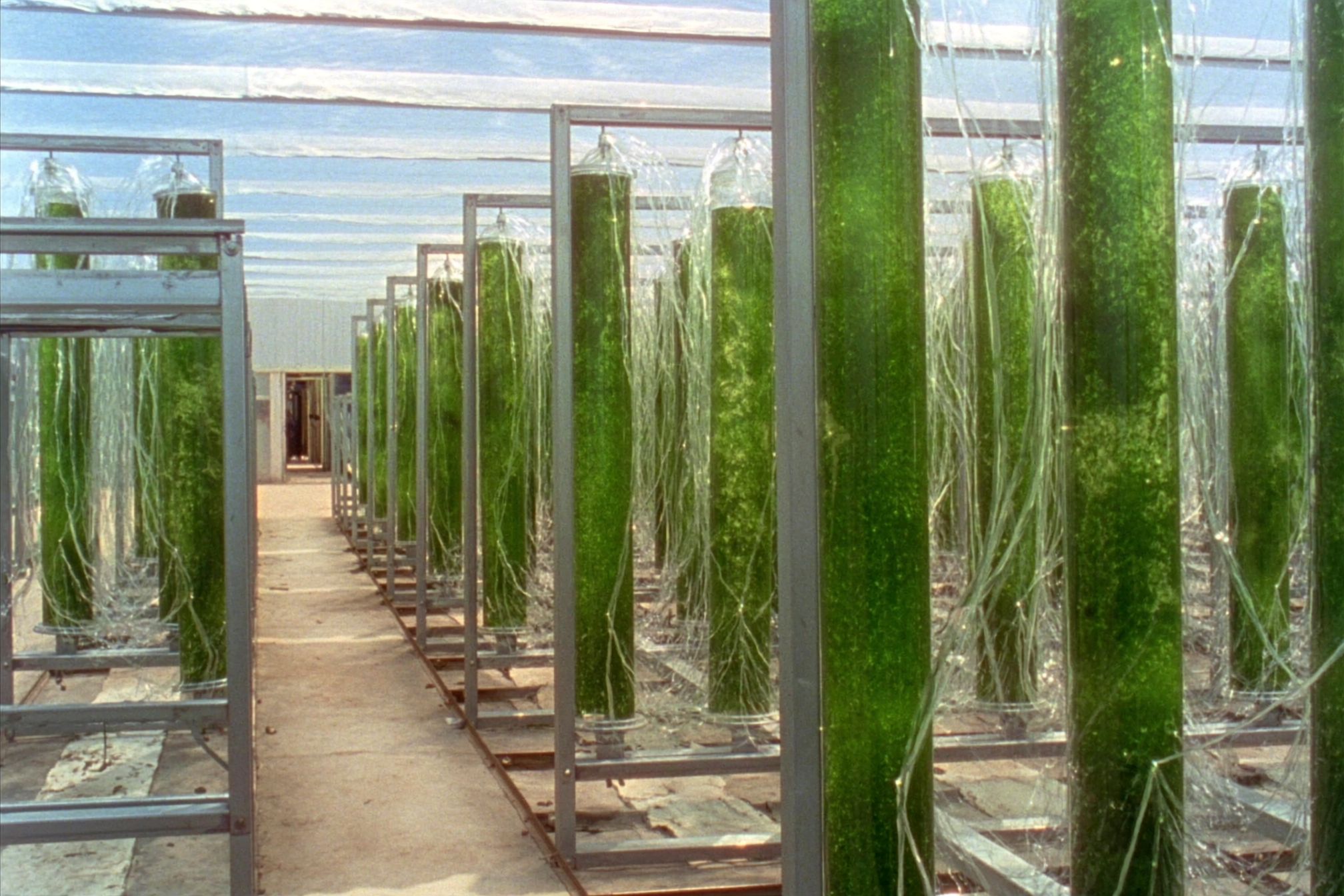
Cyvora is developing controlled cultivation systems for microalgae and other photosynthetic microorganisms, with a focus on producing consistent biomass while improving cultivation efficiency, resource utilisation and downstream product quality.
Unlike conventional terrestrial crops, microalgae can be cultivated in water-based systems and do not inherently require arable soil. Their cultivation can therefore be integrated into environments where conventional agriculture is constrained, while nutrients and carbon sources can potentially be incorporated into the cultivation process.
The cultivation system is only one part of the technology. Our work considers the complete biological production chain: organism selection, cultivation conditions, nutrient management, CO₂ delivery, water management, monitoring, biomass concentration and harvesting.
Cultivation parameters
Our development work considers variables including:
- Species and strain selection
- Light availability and intensity
- Temperature
- pH
- Nutrient concentration
- CO₂ availability
- Mixing and gas transfer
- Biomass density
- Contamination control
- Harvest timing
The objective is to establish cultivation conditions that produce predictable biomass with characteristics appropriate for downstream applications.
Cyvora currently operates two functional algae cultivation models, which are the foundation for continued optimisation and scale-up. They are being developed to demonstrate the integration of algae cultivation with industrial CO₂ utilisation and biomass production.
Why this matters here
Global aquatic food production reached 223.2 million tonnes in 2022, including 37.8 million tonnes of algae, while aquaculture reached 130.9 million tonnes. Africa accounted for approximately 7% of global aquatic animal production, according to the Food and Agriculture Organization of the United Nations.
That leaves a great deal of room for locally developed biological biomass to serve animal nutrition, aquaculture feed, agricultural inputs and future bioproducts.
Our objective is therefore not to operate algae farms as an end in themselves. We are developing controlled biological cultivation as an upstream manufacturing platform for several downstream applications at once.
Used today for
- Cyvora™ Algae
- Cyvora™ Feeds
Solutions
Where this is applied.
Agriculture & Biofertilizers
Biological inputs for productive and resource-efficient agriculture.
Aquaculture & Animal Nutrition
Biological biomass and feed technologies for sustainable animal production.
Climate & Circular Bioeconomy
Biological systems for productive utilization of CO₂, and the recovery of underutilized biological resources.
Biomaterials
Development of materials and functional compounds from biological resources.
Build it with us.
We're looking for research institutions, industrial partners and funders to pilot and scale our next technologies.