Cyvora Biotech — Turning Biology Into Climate Solutions
Kampala · Uganda
Turning Biology into Climate Solutions
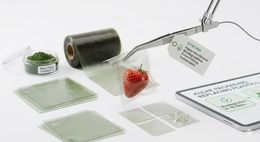
Cyvora Biotech develops biological systems that transform carbon dioxide and biological resources into valuable products for agriculture, cosmetics, aquaculture and industry.
We combine algae cultivation, bioconversion and downstream processing to build scalable technologies for a circular economy.
Every day, farms, markets and towns across East Africa produce organic waste that is dumped or burned. Farmers pay heavily for fertilizer and feed, much of it imported. Industry still runs on fossil-based inputs.
The biology to close that gap already exists. The work is turning it into products people can buy, use and rely on. That's what Cyvora does.
WasteFeedstock
CO₂Carbon resource
AlgaeBiomass platform
BiologyEveryday products
The circular model
Nothing is wasted. Biology keeps the loop moving.
Organic waste and carbon aren't end-of-life materials. We use biological systems to keep their nutrients and value in productive cycles for as long as possible, and that loop is what makes our products possible.
01
Organic waste
Food, market and agricultural residues that would otherwise be dumped or burned.
02
Biological processing
Microbes break waste down and stabilise it, releasing nutrients.
03
Algae & microbial systems
Living systems take up those nutrients, and CO₂, and grow.
04
Biomass & bio-based molecules
The harvest: protein, organic matter and useful compounds.
05
Products
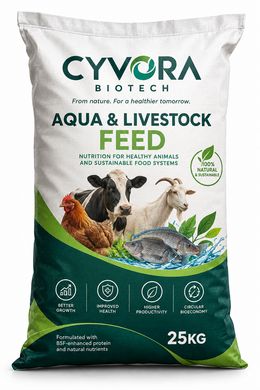
Fertilizer, feeds, algae biomass today, with more in development.
06
Resource recovery
What's left over and what returns from the field re-enters the loop as feedstock.
Organic waste
Biological processing
Algae & microbial systems
Biomass & bio-based molecules
Products
Resource recovery
Recovered nutrients re-enter the cycle as feedstock.
Cyvora Aquaponics
Fish and vegetables, grown in one loop.
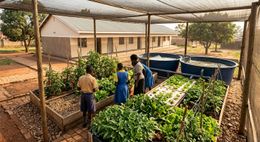
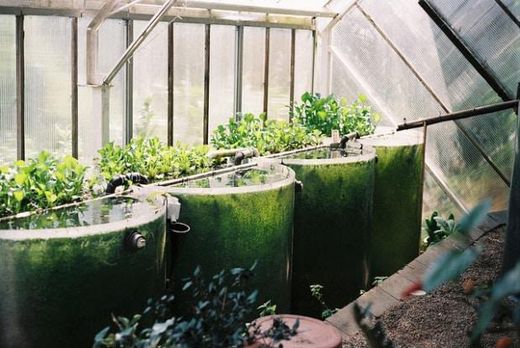
Aquaponics combines fish farming with soil-free growing. Fish waste feeds the plants, the plants clean the water, and the water returns to the fish. We design, build and support systems for homes, schools, institutions and commercial growers, and we train the people who run them.
Counted by Cyvora at its own sites — two algae cultivation models built and operating. They are the systems described under "Building Africa's biological infrastructure" on this page.
20+
jobs and opportunities
Jobs and technical opportunities created
How this was measuredi
Cyvora's own count of staff and technical placements to date. Shown as "20+" rather than an exact figure because the count moves; it is rounded down, never up.
200
training places
Young people our training programmes are designed for
How this was measuredi
The number of places Cyvora's practical training programmes are being designed to offer. This is a target, not a count of people trained — no one has completed these programmes yet.