
Climate & Circular Bioeconomy
Using biology as a pathway for carbon utilization
Cyvora is developing biological systems that can use CO₂ as an input to biological production rather than treating carbon management solely as a storage or disposal challenge.
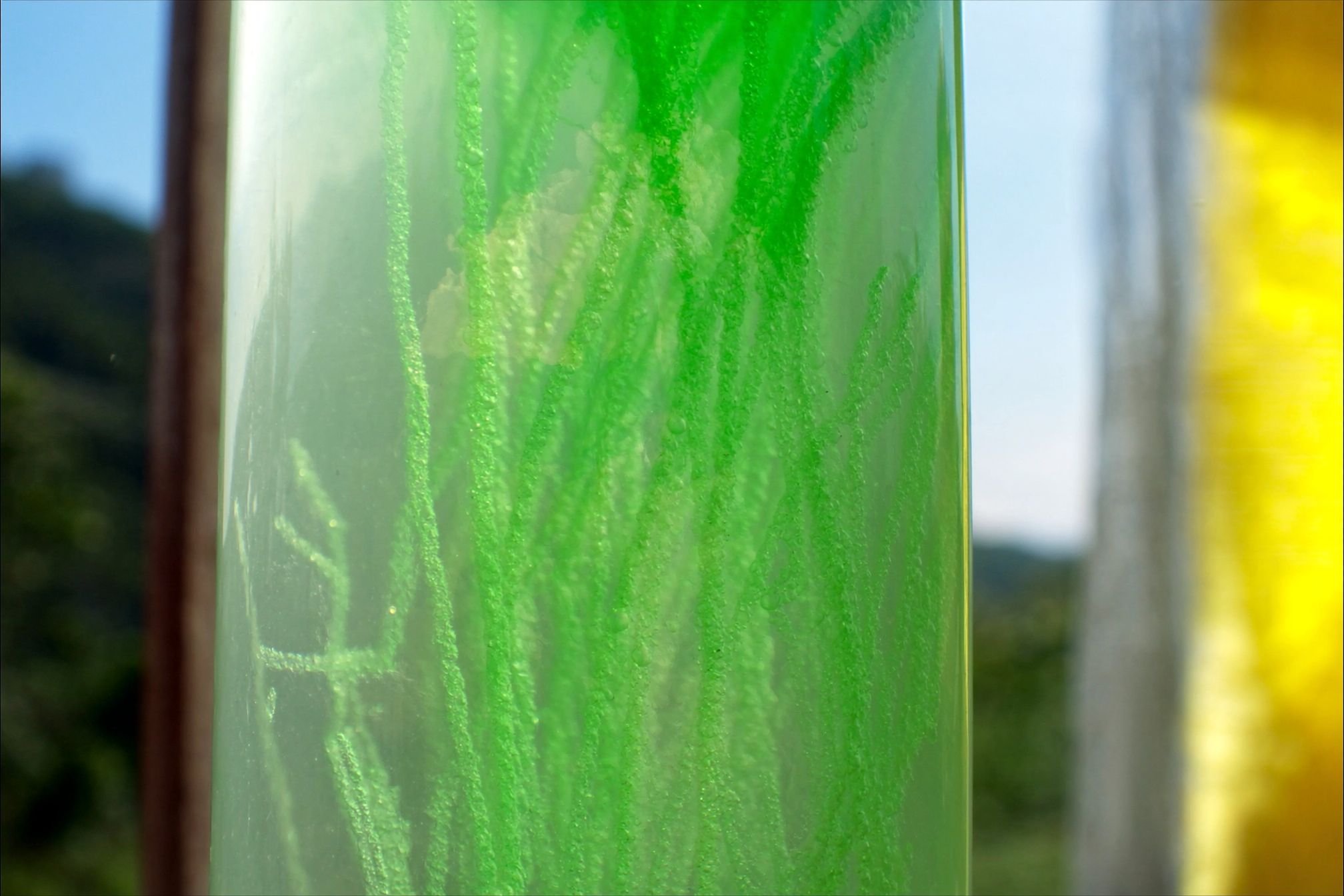
Our primary platform is controlled microalgae cultivation. Algae use photosynthesis to incorporate inorganic carbon into biomass while producing biological material that can subsequently be harvested and processed into useful products.
Cyvora's work focuses on integrating cultivation systems with suitable CO₂ sources, improving carbon transfer and biological uptake, optimizing cultivation conditions, and increasing biomass productivity. The resulting biomass creates an additional economic pathway for carbon utilization through applications in feed, fertilizer and other bio-based products.
This approach connects carbon management with productive biological manufacturing, creating the potential for climate technologies that generate useful outputs rather than relying on carbon capture as the only value proposition.
Circular bioeconomy
Cyvora develops biological processes that recover value from organic materials, residual biomass and other underutilized biological resources.
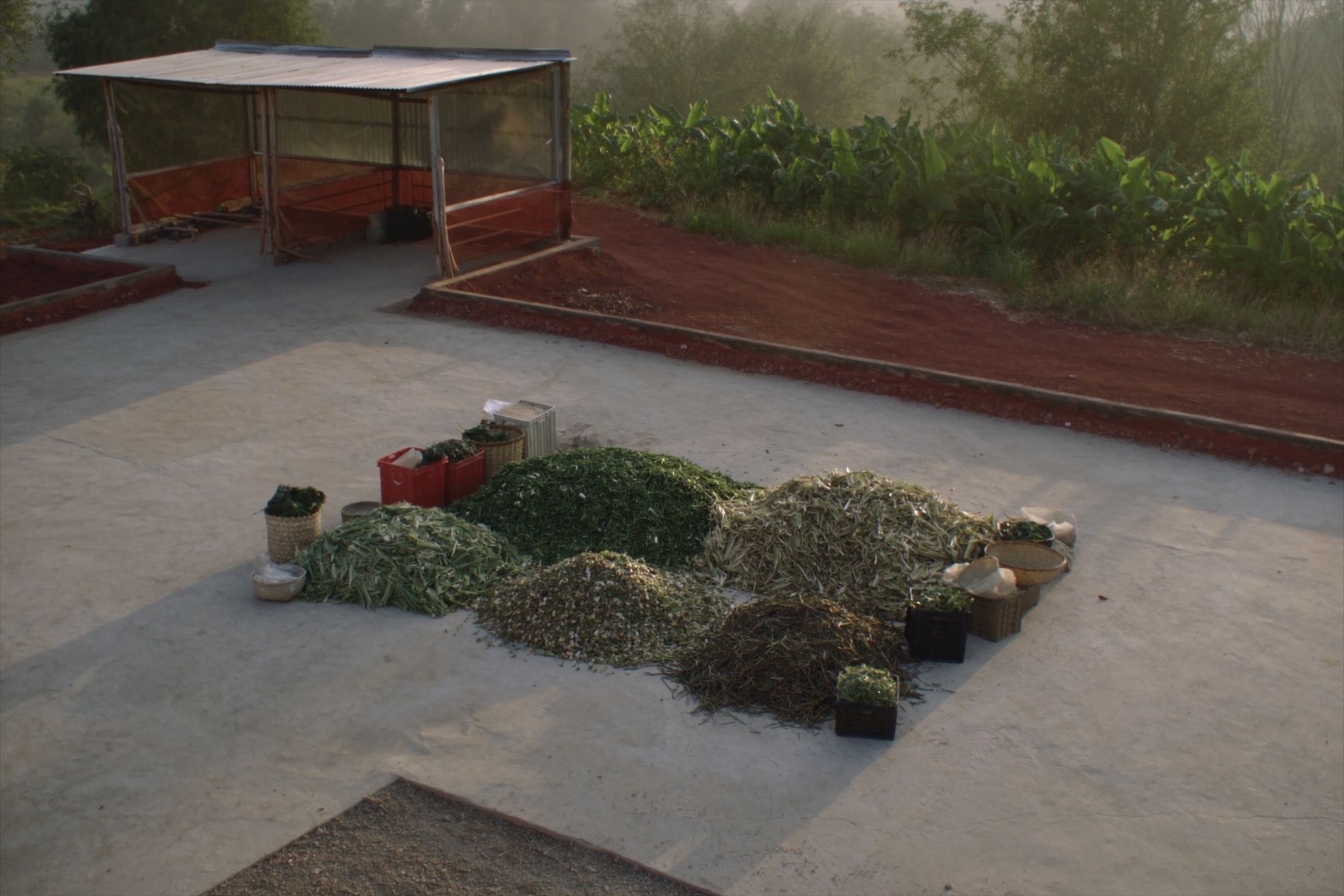
Rather than treating these materials solely as waste requiring disposal, we investigate their composition, biological properties and potential for conversion into useful resources. Depending on the feedstock and target application, biological processing can recover nutrients, generate biomass, produce biological intermediates or create inputs for agriculture, animal nutrition and energy applications.
Our circular bioeconomy approach integrates feedstock assessment, microbial and biological conversion, separation, recovery, stabilization and product formulation. This enables resources to remain within productive cycles for longer while reducing the amount of organic material lost from the economy.
The platform is designed to accommodate different feedstocks and applications, making it adaptable to agricultural, food-processing, industrial and community-scale resource streams.
- Applications include
- industrial CO₂ utilization, algae-based carbon conversion, biological carbon management, carbon-to-biomass production, organic resource recovery, nutrient recycling, biomass production, agricultural inputs, feed ingredients and biological intermediates.
- Technology stage
- Functional pilot systems and technology development.
Pipeline
The programmes behind this work.
Where each one has reached, and what it can honestly be said to do today, is on the pipeline page.
Cyvora Carbon
Biological carbon capture and utilisation using algae.
Technology
The capabilities it draws on.
Carbon capture
Biological pathways that use carbon dioxide as an input to productive systems, rather than treating it only as an emission.
Algae cultivation
Controlled cultivation systems for algae and other photosynthetic microorganisms, covering reactor or pond design, nutrient management, harvesting and biomass optimisation.
Bioconversion
Microbial and biological processes (such as fermentation and composting) that turn organic waste into stable, useful intermediates and products.
Let's build what comes next.
Buying in volume, setting up an aquaponics system, or exploring a research or commercial partnership: talk to us.